Voyage Tech Blogs

Voyage Technology has been serving the Beaver Dam area since 1999, providing IT Support such as technical helpdesk support, computer support, and consulting to small and medium-sized businesses.

Your Emails Won’t Be Secure Without these Safeguards

Your Emails Won’t Be Secure Without these Safeguards

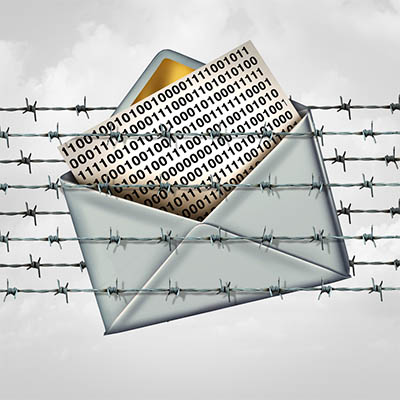
Are your employees putting your organization’s security at risk due to poor email practices? This is a question that all business owners need to consider--especially if you deal in sensitive information. We recommend that all businesses utilize a two-pronged approach to email security, including both technology measures to secure communications on the technical side and training to secure on the human side.

We’ll discuss some of the various measures you can take to keep your email communications as secure as possible, including encryption, spam protection, and employee awareness.

Email Encryption
Encryption plays a key role in defending your organization’s data from outside eyes. The way that it works is relatively simple to understand. Data sent on an unencrypted connection can be viewed while it’s in transit, making this kind of communications easy enough to intercept. When data is sent along an encrypted connection, the data is scrambled for all those who don’t have the encryption key to unscramble it. This means that even if someone does manage to steal data while it’s in motion, they won’t be able to read it or decipher it without the encryption key found on the recipients’ end.

Depending on your industry, you might even be required to equip your systems with encryption protocols to keep data secure while it’s being sent. Examples include healthcare, government, and other highly sensitive industries that handle confidential information.

Spam Protection
When there are employees using email, there will always be spam messages and phishing attacks that could potentially expose sensitive information or credentials to would-be hackers. It’s a necessity that your organization has an enterprise-level spam protection solution filtering messages that hit your inbox. This essentially minimizes the chance that someone will click on a malicious link or download a suspicious attachment in a spam message. Since spam can be sent to countless users all over the world with the click of a button, it’s an ideal way for hackers to spread their influence without much work.

Phishing attacks, on the other hand, are more difficult to protect against, as they have to be identified as malicious before they can be handled properly. Scammers can personalize messages to the user and get them to act impulsively when exposed to them, creating situations where an otherwise good employee would expose your organization out of fear that they would get into trouble for not acting. This is where the next part of email security comes into play: employee training.

Conditioning Your Employees for Security
As is the case with most network security, you can’t truly achieve it without the help of your employees. Since they are the ones handling your organization’s data in email, they need to be aware of how their actions could expose your business to malicious entities. One way you can do this is by providing them a list of best practices to check for when in doubt of an email’s authenticity. You should have them look for the following:

  • Sender email address: If the email address comes from an obscure email domain that doesn’t have any rhyme or reason to it, it’s likely that it’s a spam message.
  • The sender’s intent: If the sender is urging you to take immediate action, like paying a bill or claiming a reward, think twice before clicking on any links or making any payments.
  • Spelling and grammar: Often times hackers come from countries where English isn’t necessarily their first language, making emails from them filled with spelling and grammar errors. If the message doesn’t look professional, it’s best to avoid it.
  • Unrequested attachments: Hackers like to spread threats like malware and viruses through email attachments. If you receive a message with an unrequested attachment, think twice before downloading it. Double-check who it comes from and whether or not it’s legitimate.
  • Sketchy links: Before clicking on any links in an email, hover the mouse over it to see where the link goes. If it doesn’t go where the link says it goes, don’t click the link.

Of course, the biggest thing to keep in mind is when in doubt, ask your IT department about the message. This is especially the case if the message seems to be from Windows support or an IT company asking to remote into the device. If your business wants to get started protecting its assets and reinforcing email security, look no further than Voyage Technology. To learn more, reach out to us at 800.618.9844.


Comments

No comments made yet. Be the first to submit a comment
Already Registered? Login Here
Guest
Sunday, 14 December 2025

Captcha Image

Sign Up For Our Newsletter!

Mobile? Grab this Article!

Qr Code

Tag Cloud

Security Technology Tip of the Week Best Practices Data Business Computing Business Productivity Software Innovation Cloud Hackers Hardware Efficiency Network Security User Tips Internet Malware IT Support Privacy Google Email Workplace Tips Computer Phishing IT Services Collaboration Hosted Solutions Users Workplace Strategy Ransomware Mobile Device Microsoft Small Business Backup Productivity Quick Tips Passwords Saving Money Communication Cybersecurity Managed Service Data Backup Smartphone Android Upgrade Business Management Data Recovery VoIP Smartphones AI Disaster Recovery Mobile Devices communications Windows Browser Social Media Microsoft Office Managed IT Services Current Events Network Tech Term Remote Internet of Things Automation Artificial Intelligence Facebook Miscellaneous Information Holiday Training Gadgets Cloud Computing Covid-19 Remote Work Server Managed Service Provider Outsourced IT Compliance Employee/Employer Relationship IT Support Encryption Spam Office Windows 10 Data Management Business Continuity Government Business Technology Windows 10 Bandwidth Virtualization Blockchain Wi-Fi Two-factor Authentication Mobile Office Data Security Apps Vendor Mobile Device Management Tip of the week Chrome Managed Services Gmail Budget Voice over Internet Protocol Apple Networking App Employer-Employee Relationship BYOD Applications Information Technology Avoiding Downtime Access Control Marketing Office 365 Conferencing WiFi How To BDR HIPAA Computing Hacker Virtual Private Network Risk Management Website Health 2FA Help Desk Analytics Office Tips Augmented Reality Retail Storage Healthcare Password Bring Your Own Device Big Data Managed IT Services Operating System Computers Router Display Printer Paperless Office Windows 11 Infrastructure Monitoring Excel Firewall Document Management Remote Workers Telephone The Internet of Things Scam Data loss Social Cooperation Free Resource Project Management Windows 7 Going Green Patch Management Save Money Microsoft 365 Remote Monitoring Vulnerability End of Support Customer Service Vendor Management Solutions Cybercrime Physical Security Cryptocurrency Wireless Technology User Tip Modem Processor Computer Repair Mobile Security Virtual Desktop Holidays Data storage LiFi Data Storage Word Smart Technology Supply Chain Outlook Video Conferencing Machine Learning Managed Services Provider Money Saving Time Virtual Machines Professional Services Humor Managed IT Service Safety Maintenance Sports Downloads Antivirus Mouse iPhone Licensing Entertainment Administration Vulnerabilities Data Privacy Images 101 Multi-Factor Authentication Robot Mobility Telephone System Customer Relationship Management Cost Management Settings Printing Wireless Content Filtering Hacking IT Management Presentation VPN Employees YouTube Meetings Integration Managing Costs Amazon Username Point of Sale eCommerce 5G Black Friday SSID IP Address Google Docs Unified Communications Database Surveillance Experience Virtual Assistant Outsource IT Running Cable Tech Support IT Technicians Virtual Machine Environment Media Bitcoin Network Management Google Wallet Proxy Server Reviews Cookies Monitors Cyber Monday Medical IT Recovery Tactics Development Hotspot Transportation Small Businesses Laptop Websites Mirgation Hypervisor Displays Hard Drives Windows 8 Domains Drones Shopping Nanotechnology Optimization PowerPoint SharePoint Addiction Electronic Medical Records Language Employer/Employee Relationships Outsourcing Halloween Chatbots Navigation Refrigeration Management PCI DSS Public Speaking Lenovo Gig Economy Screen Reader Writing Distributed Denial of Service Workplace Lithium-ion battery Service Level Agreement Internet Service Provider Virtual Reality Computing Infrastructure Teamwork Hiring/Firing Entrepreneur Scary Stories Private Cloud Identity Evernote Paperless Hacks Server Management Regulations Compliance Superfish Bookmark Identity Theft Smart Tech Memes Fun Co-managed IT Deep Learning Download Net Neutrality Twitter Alerts SQL Server Technology Care Error History Business Communications Undo Financial Data Browsers Smartwatch Education Connectivity IT Social Engineering Break Fix Scams Upload Procurement Remote Computing Azure Hybrid Work Cyber security Multi-Factor Security Tech Human Resources Mobile Computing Social Network Telework CES Tablet IoT Communitications Search Dark Web Cables Application Best Practice Trends Supply Chain Management Alert Buisness File Sharing Regulations Dark Data Google Calendar Term Google Apps Managed IT Customer Resource management FinTech IBM Legal Data Analysis IT solutions Star Wars IT Assessment How To Microsoft Excel IT Maintenance Business Growth Gamification Flexibility Notifications Staff Value Business Intelligence Travel Social Networking Legislation Shortcuts Organization Techology Fileless Malware Digital Security Cameras Google Maps Smart Devices Cortana Ransmoware Alt Codes Content Remote Working Wearable Technology Memory Vendors Competition Health IT Downtime Unified Threat Management Motherboard Data Breach Comparison Google Play Be Proactive Unified Threat Management Directions Videos Hosted Solution Assessment Electronic Health Records Permissions Workforce Wasting Time Threats Typing Trend Micro Network Congestion Specifications Security Cameras Workplace Strategies Google Drive User Error Microchip User Internet Exlporer Software as a Service Knowledge Fraud Meta

Blog Archive
